

Quick Answer
Obstructive sleep apnea happens when the upper airway repeatedly narrows or closes during sleep. Risk can be influenced by airway anatomy, age, family history, body weight, alcohol, smoking, hormonal or endocrine conditions and some medical disorders. Central sleep apnea has different causes involving control of breathing. Risk factors raise probability; they do not make the diagnosis.
Understanding airway space
Why airway space can change
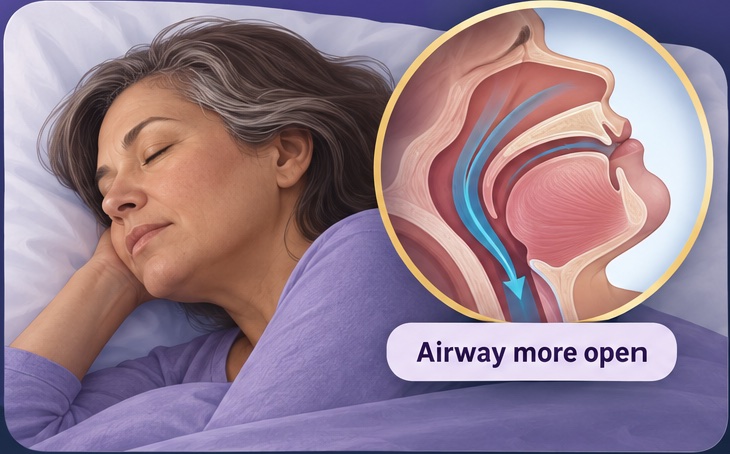
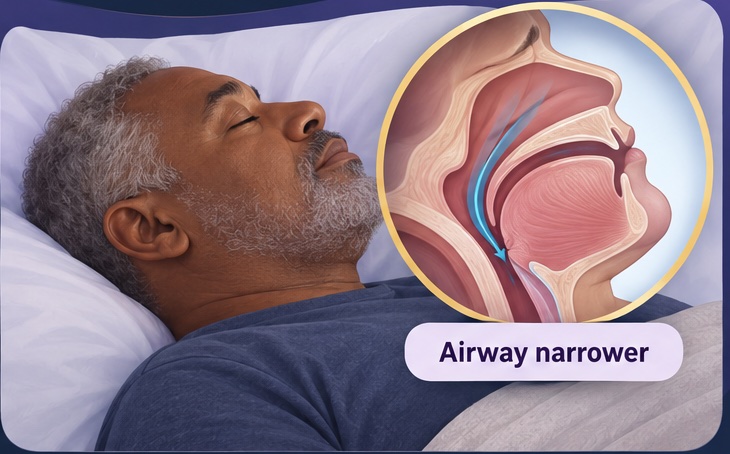
Airway space can be influenced by several factors. No single feature determines whether someone has sleep apnea.
Airway more open
Airway narrower
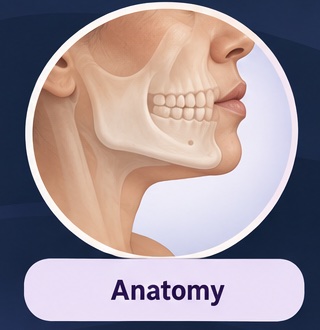
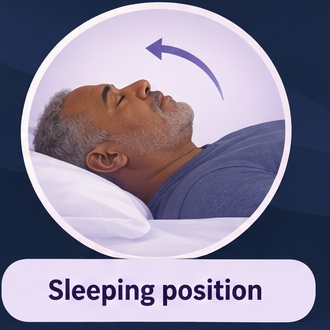
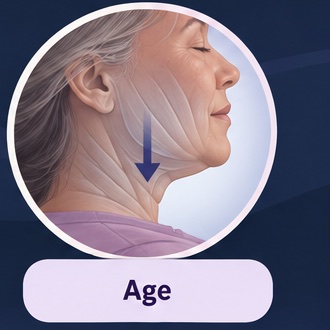
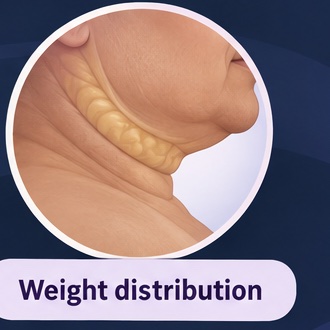
These factors can affect airway space differently from person to person. Symptoms and testing results should be reviewed with a qualified health professional.
What Causes Obstructive Sleep Apnea
OSA develops when the upper airway becomes unstable during sleep. Relaxation of the tongue and throat muscles, airway shape and the amount and distribution of surrounding tissue can combine to reduce airflow. The chest may continue trying to breathe against the narrowed airway.
Airway Anatomy And Family History
A naturally narrow airway, large tongue, enlarged tonsils, jaw position or craniofacial features can raise risk. Family history matters partly because airway structure and other traits can be inherited.
Body Weight And Fat Distribution
Excess tissue around the neck and upper airway can make collapse more likely, so obesity is an important modifiable risk factor. However, sleep apnea also occurs in people who are not overweight. Weight should never be used as the sole screening rule.
Alcohol, Smoking And Sedating Substances
Alcohol can relax the muscles of the mouth and throat and worsen obstruction in susceptible people. Smoking can contribute to upper-airway inflammation. Sedatives and opioids can alter breathing and arousal responses; medication concerns should be discussed with the prescribing clinician.
Nasal Obstruction And Sleeping Position
Nasal congestion can increase breathing difficulty and mouth breathing. For some people, events are more frequent while sleeping on the back because gravity affects the tongue and soft tissues. Positional patterns are identified through testing, not assumed.
Hormonal And Endocrine Conditions
NHLBI identifies endocrine and hormonal factors, including low thyroid hormone and PCOS, among conditions associated with increased risk. These conditions require medical assessment and should not be self-diagnosed from sleep symptoms.
Heart, Kidney And Neurological Conditions
Fluid shifts associated with heart or kidney failure can contribute to upper-airway narrowing. Central sleep apnea may be associated with heart failure, stroke, neurological disorders, high altitude or opioid use. This is one reason test selection and interpretation should be guided by a clinician.
Risk Factors In Children
Large tonsils or adenoids are common contributors in children, although obesity, craniofacial conditions and neuromuscular disorders may also matter. Children can present with behaviour or school concerns rather than classic adult sleepiness.
What Risk Factors Can And Cannot Tell You
Risk factors help determine whether assessment is reasonable, but they cannot confirm severity or type. A person with several factors may not have sleep apnea, while a person with few obvious factors may still have it. Symptoms, health history and sleep testing must be interpreted together.
Ways To Lower Modifiable Risk
Depending on the person, healthy weight management, limiting alcohol, stopping smoking, managing nasal symptoms and following treatment for contributing medical conditions may help. These measures support care but should not replace testing or prescribed therapy when OSA is suspected or diagnosed.
If obstructive sleep apnea is confirmed, treatment depends on the diagnosis, symptoms, health history and individual circumstances. The CPAP Therapy guide explains how positive airway pressure works, what starting treatment may involve and why follow-up matters.
Choose Your Next Step
Complete Guide: Sleep Apnea