
CPAP care in Canada
CPAP Cleaning Supplies Canada
Choose cleaning supplies for the exact mask, tubing, humidifier chamber and device instructions—and avoid products that make unsupported disinfection or sanitizing promises.
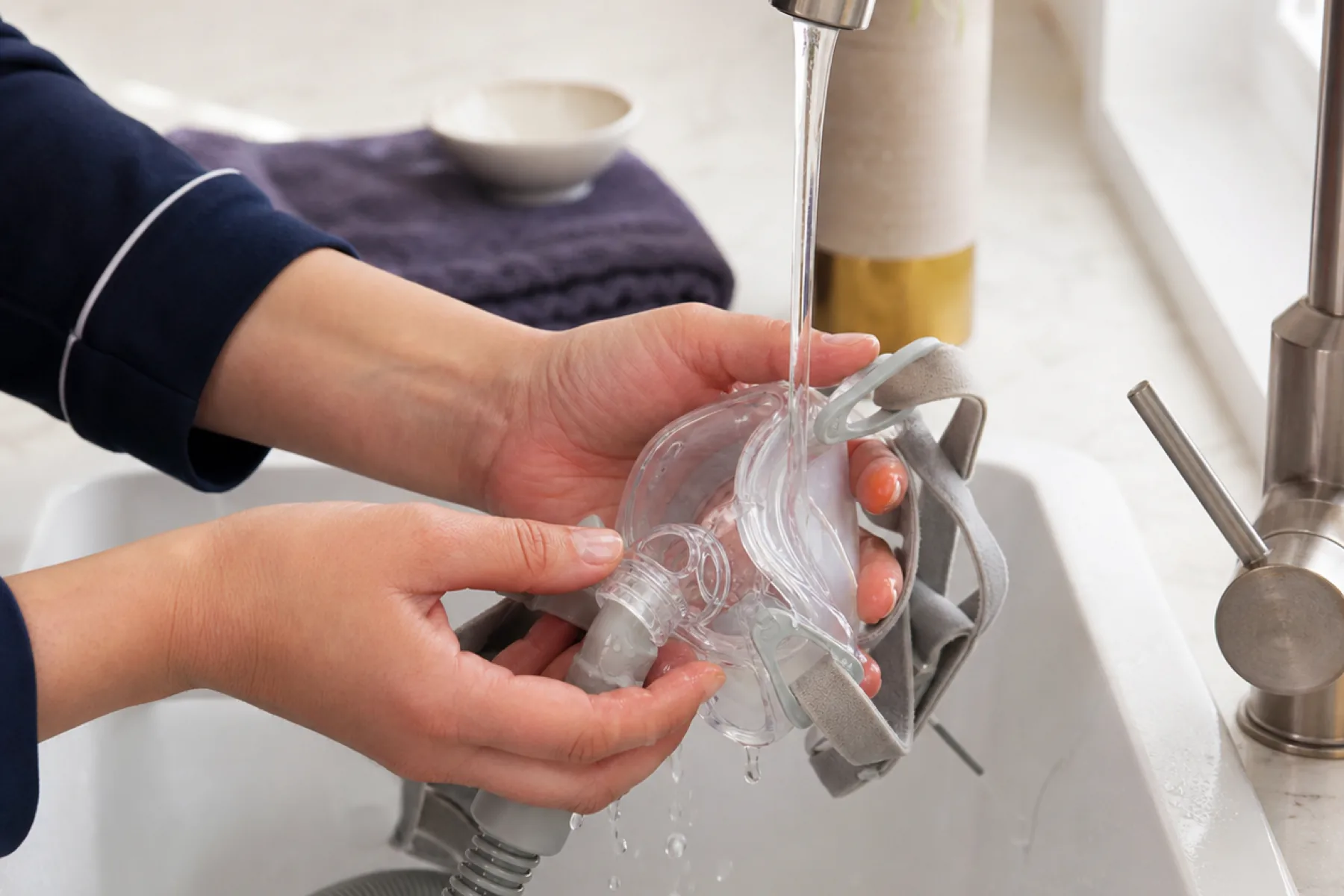
Start with the exact equipment, not a generic shopping list
Find the machine, mask and humidifier manuals and identify which parts are washable, which should only be wiped, and which must not be immersed. Separate detachable cushions, frames, elbows, headgear, tubing, chambers and filters only as the instructions describe.
Water type, soap type, wash frequency, dishwasher use and acceptable wipes can differ by manufacturer and component. If the original instructions are missing, obtain the correct manual or contact the manufacturer or equipment provider before experimenting.
Expert perspective
Use the instructions for the exact component and replace parts that are cracked, stretched, discoloured or no longer sealing well. A consistent care routine protects both comfort and the reliability of the therapy system.
Supply guide
Cleaning supplies by CPAP component
Be cautious with soaps, wipes and fragranced products
A product labelled gentle, natural, antibacterial or CPAP-safe is not automatically suitable for every component. Strong fragrance, moisturizers, oils, bleach, alcohol, harsh detergents or household disinfectants may leave residue or damage some materials when they are not authorized by the manufacturer.
Pre-moistened mask wipes may be convenient for manufacturer-permitted surface cleaning, but they do not necessarily replace the full wash, rinse and drying routine. Check ingredients, intended components, residue warnings and the equipment instructions before use.
Cleaning, disinfection and replacement solve different problems
Routine cleaning removes oils, moisture and soil according to home-use instructions. Disinfection is a different process and may be required in some clinical or multi-user settings; do not improvise a disinfection method for personal equipment. Replacement addresses wear or damage that cleaning cannot correct.
Inspect parts as the manufacturer directs. Contact the equipment provider about cracks, tears, stiffness, discolouration, persistent odour, damaged seals, cloudy or leaking chambers, blocked vents, worn headgear or tubing that no longer connects securely. An insurer’s reimbursement schedule is not a universal safety or replacement schedule.
A simple cleaning-station checklist
- Keep the correct manufacturer instructions available.
- Use a clean basin or sink and supplies reserved for appropriate equipment care where practical.
- Wash your hands before handling clean components.
- Keep clean and used parts separate during the routine.
- Rinse as directed so permitted soap or cleaning residue is removed.
- Air-dry parts completely in the location and orientation the manufacturer recommends.
- Keep the CPAP machine, power supply and electrical contacts away from standing or running water.
- Reassemble only when dry, then check connections and inspect for damage before use.
Buying cleaning supplies in Canada
Check the intended use, ingredients, instructions, warnings, seller identity, return policy and compatibility claim. Avoid miracle language or a product that implies it sterilizes every CPAP component without naming the exact equipment, method and authorization supporting the claim.
Cleaning products and convenience supplies may not be treated like prescribed CPAP equipment by an insurer or the Canada Revenue Agency. Confirm eligibility for the exact item rather than assuming it is covered or tax-deductible because it is used near a CPAP machine.
Shop CPAP cleaning supplies
Prices are in Canadian dollars. Check each product’s instructions against your mask and machine maker’s cleaning guidance.
-
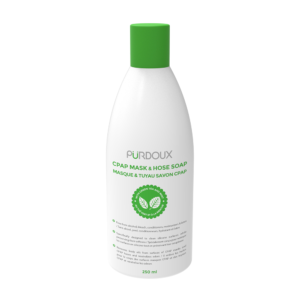
Pürdoux CPAP Mask & Hose Soap – Green Tea & Mint
$10.99 Add to cart -
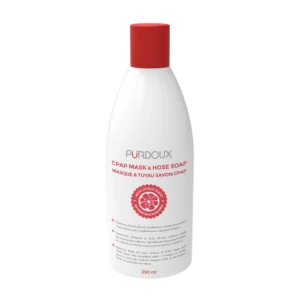
Pürdoux CPAP Mask & Hose Soap – Grapefruit & Lemon
$10.99 Add to cart -
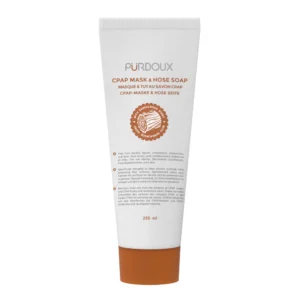
Pürdoux CPAP Mask & Hose Soap – Sandalwood
$10.99 Add to cart -
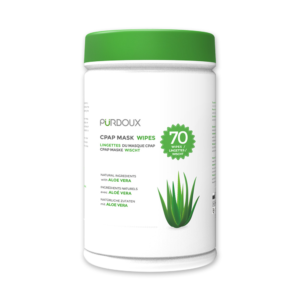
Pürdoux CPAP Mask Wipes – Aloe Vera Unscented Canister
$12.99 Add to cart -
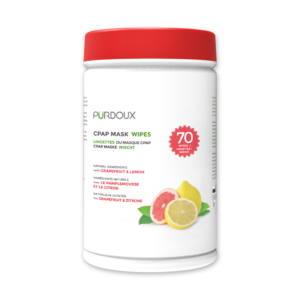
Pürdoux CPAP Mask Wipes – Grapefruit & Lemon Canister
$12.99 Add to cart -
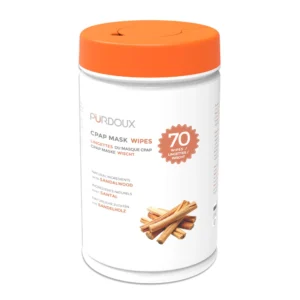
Pürdoux CPAP Mask Wipes – Sandalwood Canister
$12.99 Add to cart -
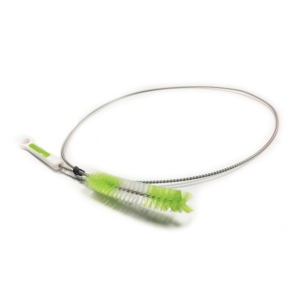
Pürdoux CPAP Hose Brush
$14.99 Add to cart -
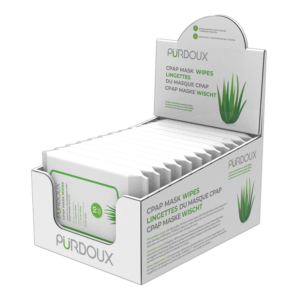
Pürdoux CPAP Mask Wipes – Aloe Vera Unscented Travel Box
$21.95 Add to cart -
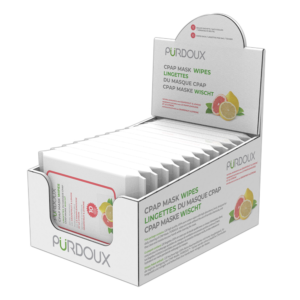
Pürdoux CPAP Mask Wipes – Grapefruit & Lemon Travel Box
$21.95 Add to cart -
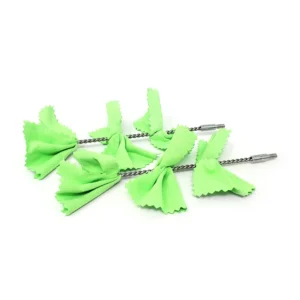
PURDOUX 2 in 1 Premium CPAP Hose Cleaning Brush – Replacement Cloth Tip
$72.00 Add to cart
Common questions
CPAP cleaning-supply FAQs
Sources and verification
- U.S. Food and Drug Administration guidance on devices that claim to clean CPAP equipment
- Health Canada Philips Respironics CPAP and BiLevel PAP recall notice
- Health Canada guidance for buying medical devices online
- Manufacturer instructions for use for the exact machine, mask, tubing, humidifier chamber and filter remain the primary source for the cleaning method and schedule.
Next steps
Build a safe, equipment-specific routine
Start with the manufacturer instructions, identify the exact washable parts and use only permitted supplies and methods. Virtual Sleep Care offers cleaning supplies and can help with equipment-care questions. Check each product against the instructions for your exact equipment; cleaning supplies do not replace manufacturer guidance.
Choose your next step
Complete guide: CPAP Buying Guide: Choose a CPAP Machine in Canada